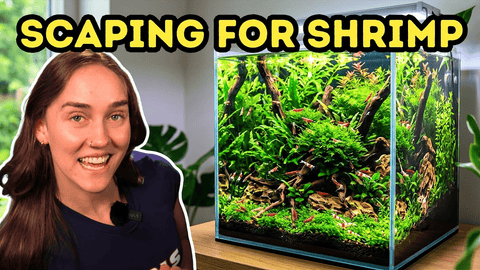

Why Your Shrimp Colony Keeps Failing — And How to Fix It for Good
Why Your Shrimp Colony Is Failing (Fix This)
If you’ve been losing shrimp for reasons you can’t explain, you’re not alone. Many hobbyists follow “perfect water parameter” advice yet still watch their colony slowly disappear. This video from DALUA Fishroom breaks down the real reasons shrimp die — and how to finally build a stable, self‑sustaining shrimp colony.
Below is a full breakdown of the key lessons, plus the embedded video so you can watch the full explanation.
1. The Hidden Reason Shrimp Die (Even in “Perfect” Water)
Shrimp don’t just need clean water — they need stable water. The video explains that sudden swings in TDS, minerals, or biofilm availability stress shrimp far more than most keepers realise. Even small fluctuations can cause moulting issues, failed moults, and the dreaded white ring of death.
Takeaway: Stability > perfection.
2. The #1 Mistake Almost Everyone Makes
Most shrimp tanks fail because they’re too clean. Shrimp rely heavily on biofilm, microfauna, and natural surfaces to graze on. When tanks are over‑filtered, over‑cleaned, or under‑seasoned, shrimp starve slowly — even when you’re feeding them.
Fix: Build a tank that grows food naturally.
3. Why Your Shrimp Aren’t Breeding
Healthy adults that never breed are a sign of environmental stress. The video highlights that inconsistent minerals, low biofilm, and unstable micro‑ecosystems prevent females from carrying eggs or releasing shrimplets successfully.
Solution:
Maintain consistent TDS
Provide mineral support
Increase biofilm surfaces
Reduce disturbances
4. The Real Cause of Moulting Issues
Moulting problems are almost always mineral‑related. Shrimp need a balanced mineral profile to form and shed their exoskeleton properly. Without it, they get stuck mid‑moult — a common cause of sudden deaths.
Recommended tools from the video:
Shrimp mineral boosters
Biofilm‑friendly filters
Low‑waste shrimp foods
5. How to Build a Long‑Term Stable Shrimp Tank
The video emphasises creating a self‑sustaining ecosystem rather than micromanaging parameters.
A stable shrimp tank includes:
A mature biofilm base
Consistent mineral levels
Gentle filtration safe for shrimplets
Low‑waste feeding
Minimal interference
When these elements are in place, shrimp breed naturally and colonies grow without constant replacements.